
Trees are one of the most valuable features of any residential or commercial property, offering shade, beauty, cleaner air, and increased curb appeal. However, without regular inspections, even a healthy-looking tree can develop hidden problems that lead to costly property damage. Routine tree inspections help identify risks early, allowing homeowners to address issues before they become expensive emergencies.
What Is a Tree Inspection?
A tree inspection is a professional evaluation of a tree’s overall health, structure, and safety. During an inspection, experts examine the trunk, branches, canopy, roots, and surrounding soil to identify signs of disease, decay, pest infestations, or structural weakness.
Regular inspections are especially important for mature trees growing near homes, garages, driveways, fences, or power lines.
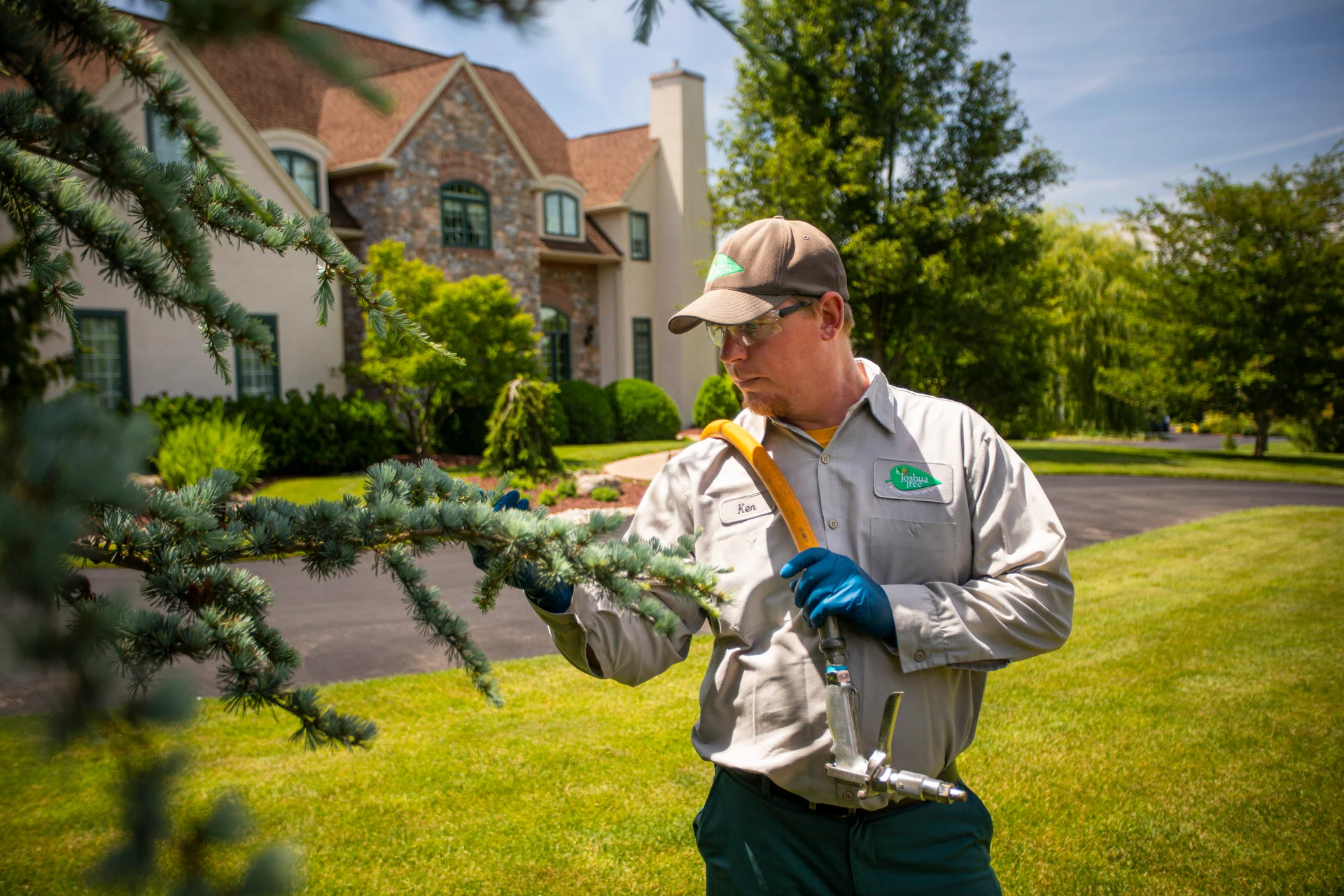
Detect Hidden Tree Diseases Early
Many tree diseases begin inside the trunk or root system, making them difficult to detect without a thorough inspection. By the time visible symptoms appear, the tree may already be severely weakened.
Early detection allows professionals to recommend treatments that may save the tree while preventing the disease from spreading to nearby trees.
Prevent Storm-Related Damage
Strong winds, heavy rain, snow, and ice can place significant stress on trees. Weak branches or unstable trunks are more likely to fail during severe weather, causing damage to roofs, vehicles, fences, and utility lines.
Routine inspections help identify:
- Dead or weakened branches
- Structural cracks
- Unbalanced canopies
- Trees at risk of falling
Addressing these problems before storm season greatly reduces the chance of emergency tree removal.
Identify Root Problems Before They Become Serious
Tree roots are hidden beneath the ground, but they play a critical role in supporting the entire tree. Damaged or decaying roots can make a tree unstable even if it appears healthy above ground.
A professional inspection can reveal warning signs such as:
- Leaning trees
- Raised soil around the base
- Root decay
- Poor tree stability
- Construction-related root damage
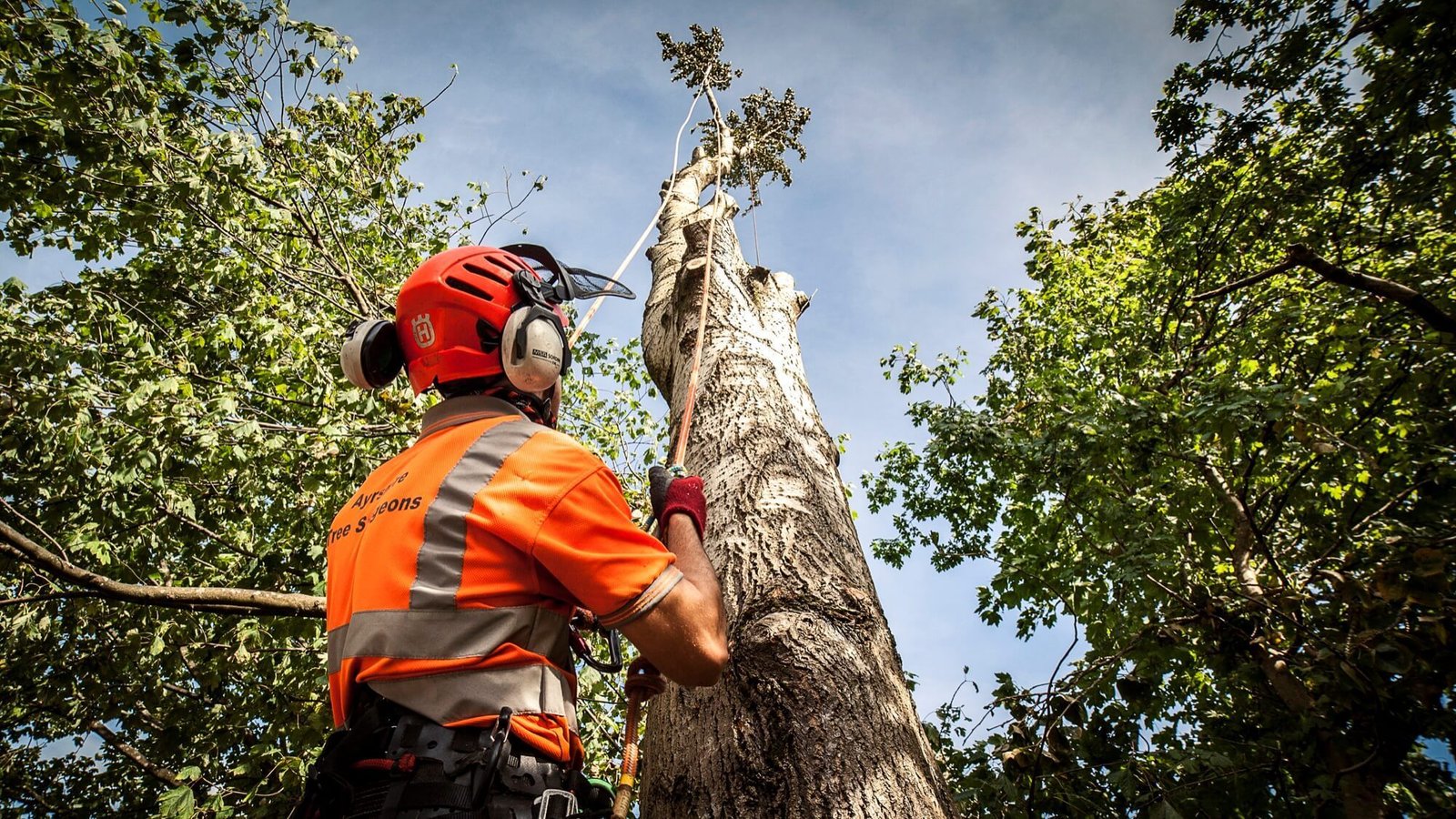
Protect Your Home and Landscaping
Overgrown branches can scrape roofs, block gutters, interfere with power lines, or damage nearby structures during windy conditions. Regular inspections help determine when pruning is needed to reduce these risks.
Proper maintenance also protects gardens, lawns, and neighboring trees by promoting healthier growth throughout the landscape.
Save Money Through Preventive Maintenance
Emergency tree removal is often far more expensive than routine maintenance. Small issues like dead limbs, minor disease, or early pest infestations are usually less costly to address before they become major hazards.
Investing in regular inspections can help homeowners avoid unexpected repair bills for damaged roofs, vehicles, fences, sidewalks, or foundations.
Increase Tree Lifespan
Healthy trees can live for decades when properly cared for. Regular inspections allow professionals to recommend pruning, fertilization, or disease treatment that encourages stronger growth and extends the life of your trees.
Well-maintained trees also improve property value and enhance the overall appearance of your landscape.
When Should You Schedule a Tree Inspection?
It’s a good idea to schedule a professional inspection if:
- A major storm has recently passed
- You notice dead branches
- The tree begins leaning
- Mushrooms appear near the base
- Leaves are dropping unusually early
- You plan to start nearby construction
- Large trees are growing close to your home
Annual inspections are also recommended for mature trees, even if they appear healthy.
Trust Experienced Tree Care Professionals
Professional tree specialists have the knowledge and equipment to identify problems that homeowners often miss. They can recommend the safest and most cost-effective solutions, whether that involves pruning, disease treatment, cabling, or tree removal.
With routine inspections and proper maintenance, you can protect both your trees and your property for years to come.
Conclusion
Regular tree inspections are one of the smartest investments a property owner can make. By identifying hidden problems early, preventing storm damage, monitoring tree health, and reducing safety risks, routine inspections help avoid costly repairs while preserving the beauty and value of your landscape. A proactive approach to tree care ensures healthier trees, a safer property, and greater peace of mind throughout every season.