
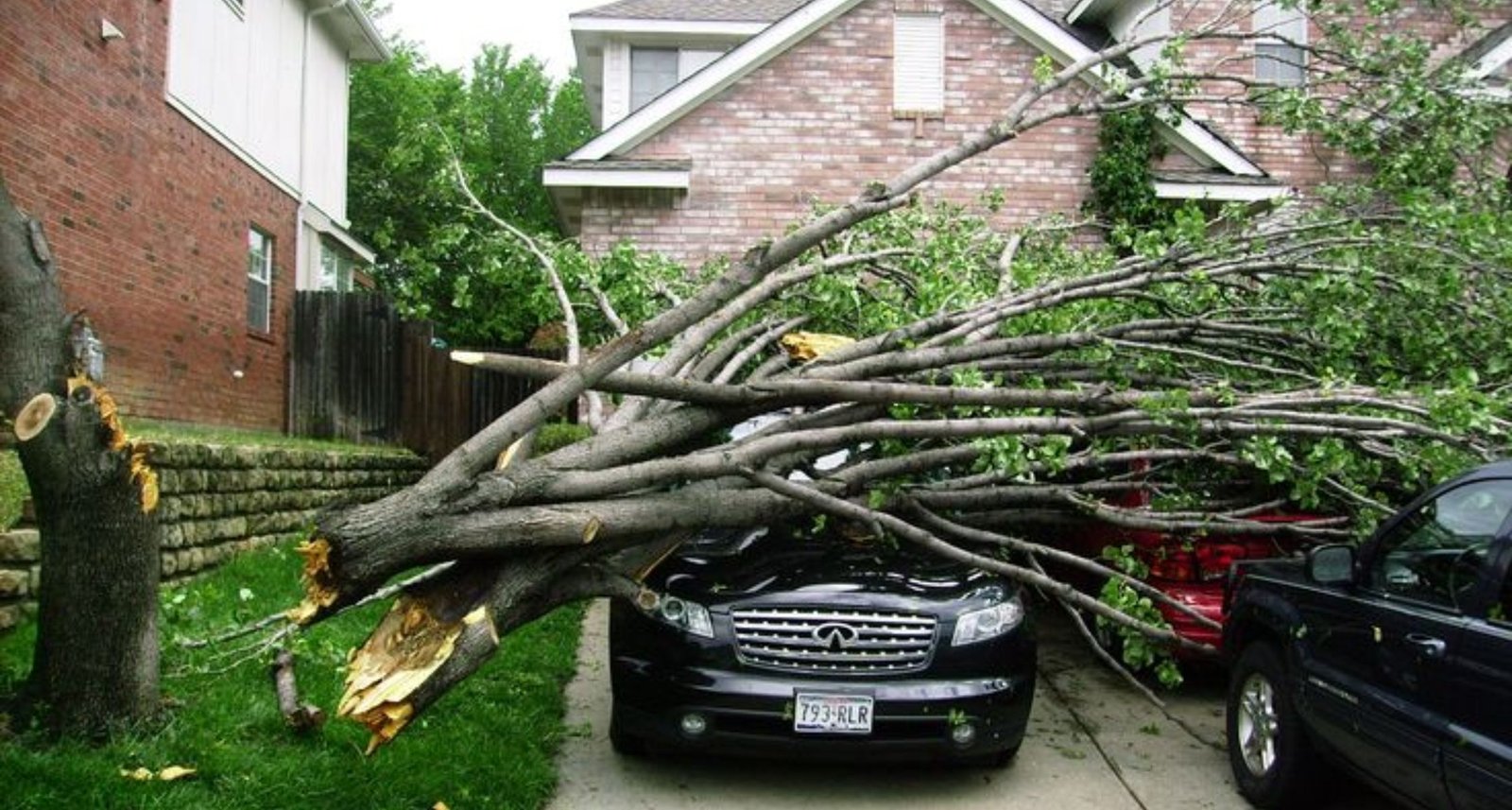
During one of the wind gusts, you hear a crack, and in the instant, your stomach sinks. A heavy limb dangles precariously above the driveway. Below that tree, the kids play, and your car is parked underneath the tree as well. This is how emergencies begin with tree hazard. Silently and slowly, tree hazard with little warning goes unnoticed until the damage is affected. The positive note is you don’t have to have special equipment to identify and point out a lot of risks. A basic checklist and a controlled walkabout will help in recognizing swift actions, lowering the risk, and calling an arborist before the situation gets out of hand expensive and undesirable.
Start at the Base: Roots, Soil, and Trunk Flare
A healthy tree starts underground. Step back and look for a visible root flare (where trunk widens into roots). If the trunk looks like a telephone pole stuck straight into the soil, you may have deep planting or girdling roots, both of which are bad for stability. Next, look around the base:
- Soil heaving or fresh cracks in the ground on the windward side means recent movement.
- Mushrooms or fungal conks (shelf-like growths) near the base means internal decay.
- Cavities, hollows, or soft, punky wood around the root plate are big red flags.
Tap gently around the base with a rubber mallet; a hollow sound means internal rot. If you see a big lean with soil lifting, call a certified arborist now.
Read the Trunk: Cracks, Cavities, and Cankers
Inspect the central part of the tree.
Vertical fractures of the trunk, especially ones that transverse the entire trunk, harmful to the weight the tree can carry.
Cankers (areas of dead bark which appear sunken) can create weak points that can fail under wind.
Uncontrolled sap flow, slime flux, oozing wounds, can indicate internal problems, or even illness of the tree.
Included bark at a tight V-shaped union suggests poor attachment that may split.
Use a flashlight to peek into any cavities. Small hollows aren’t always catastrophic, but combined with decay fungi, insect galleries, or fresh cracking, they elevate risk.
Scan the Canopy: Dieback, Deadwood, and Sudden Limb Drop
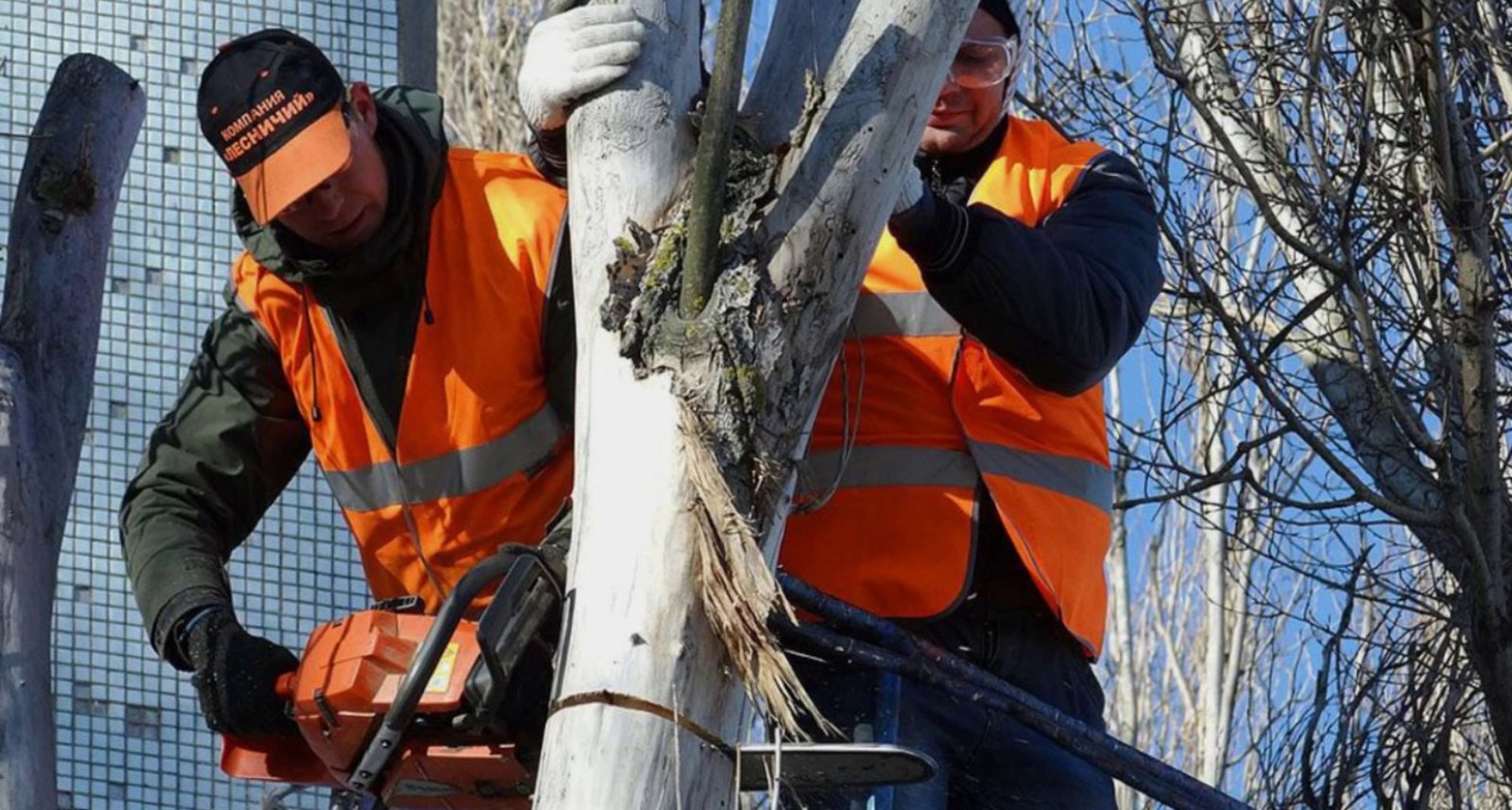
The health of the tree can be determined from the vitality of the tree crown. Noticeable crown dieback, which signals negative health, is the decreasing width of leaves, which commonly starts at the very top of the tree. Other indicators of negative health are fragments of Brittle Deadwood which can be dislodged without warning or Epicormic Shoots. Epicormic Shoots are weak sprouts located on the trunk that can appear after topping the tree or in cases of stress. Additionally, the irregular branch drop symptoms, which can be noted in rather calm weather, can be indicative of a tree suffering lengthy negative health states.
Assess the Lean: Natural vs. New
Some trees lean naturally. What matters is change over time:
- A new or increasing lean, especially after storms or construction, is troubling.
- Pair a fresh lean with soil heaving, cracking, or root plate lift, and you may have an imminent failure risk.
- Leaning toward targets (house, driveway, play area, power lines) raises the urgency.
Mark the trunk with a discrete reference point (like a photo from a fixed spot) to track movement month to month.
History Matters: Site Changes and Past Work
Trees respond to their environment. Ask yourself:
- Has there been recent digging, grading, or trenching in the drip line? Severed roots don’t scream—they fail months later.
- Was the tree topped in the past? Topping creates weakly attached shoots and invites decay.
- Has the area’s drainage changed? Chronic wetness causes root disease; sudden dryness stresses the canopy.
- Any lightning scars or storm damage that never healed? Old wounds are decay gateways.
Documenting site history helps an ISA Certified Arborist make a better tree risk assessment.
Pests and Disease: Small Clues, Big Implications
Not every insect is a problem, but some patterns point to weakening:
- Exit holes, frass (sawdust), or borer galleries under the bark suggest internal tunneling.
- Scale insects, heavy sooty mold, and sticky honeydew indicate chronic stress.
- Leaf spot, mildew, or unusual defoliation is often secondary—but still signals that defenses are down.
Combine pest activity with structural flags like cracks or cavities, and your risk rating climbs.
Target Zones: What’s Under the Tree?
Risk isn’t just about the tree—it’s about what the tree could hit. Identify targets:
- Roofs, vehicles, playsets, walkways, patios, utility lines, and neighboring property.
- Places people spend time (not just pass through).
- Areas with limited escape routes (narrow alleys, fenced yards).
If high-risk defects align with high-value targets, move with urgency—even if the tree “looks fine most days.”
Seasonal Stress: Wind, Snow, and Drought
Risk fluctuates:
- Summer storms and saturated soils loosen root anchorage.
- Winter snow/ice loads overload weak unions and codominant stems.
- Drought reduces wood toughness and increases dieback.
- Freeze–thaw cycles exploit cracks and can widen defects.
Build a habit: do a quick hazard tree assessment after major weather events.
DIY vs. Pro: What You Can Safely Do
You can safely handle light pruning of small-diameter deadwood, clear mulch from the trunk flare, and keep the root zone protected from compaction. But call a professional for:
- Work near power lines (always the utility or a qualified contractor).
- Removals, large crown reductions, or structural pruning of codominant stems.
- Trees with decay, deep cracks, or unstable leans.
- Large trees overhanging structures.
Ask for an arborist with TRAQ (Tree Risk Assessment Qualification) who follows ANSI A300 pruning standards and ISA best practices.
Conclusion
In addition to providing beauty, trees provide shade and privacy, but they also come with a degree of responsibility. The signs of failure usually appear minor at first, like with a widening crack in the trunk, an odd lean, mushrooms growing on the base, or dead branches. Develop a habit of inspecting trees slowly and with purpose on a regular basis, and especially after storms or when something has changed in the area. The peace of mind is priceless, and the cost of an arborist on a pro-active visit is much less than the cost of emergency cleanup. When in doubt, do not hesitate to contact Owens Tree Service Bronx for a timely response.