
Trees add beauty, shade, and value to your property, but their roots can sometimes create serious problems beneath the surface. While healthy roots anchor a tree and absorb water and nutrients, aggressive or damaged root systems can affect sidewalks, driveways, foundations, underground utilities, and even nearby landscaping. Recognizing the early warning signs can help homeowners in the Bronx and Manhattan prevent costly repairs while protecting their trees whenever possible. Owens Trees provides professional tree assessments, pruning, and removal services to help property owners identify these issues before they become major hazards.
Why Tree Roots Become a Problem
Tree roots naturally spread in search of water and nutrients. In urban environments, limited growing space often forces roots toward sidewalks, foundations, sewer lines, and paved surfaces. Over time, these expanding roots can cause structural damage if left unchecked.
Large species such as maple, oak, and sycamore are especially known for developing extensive root systems that require regular monitoring.
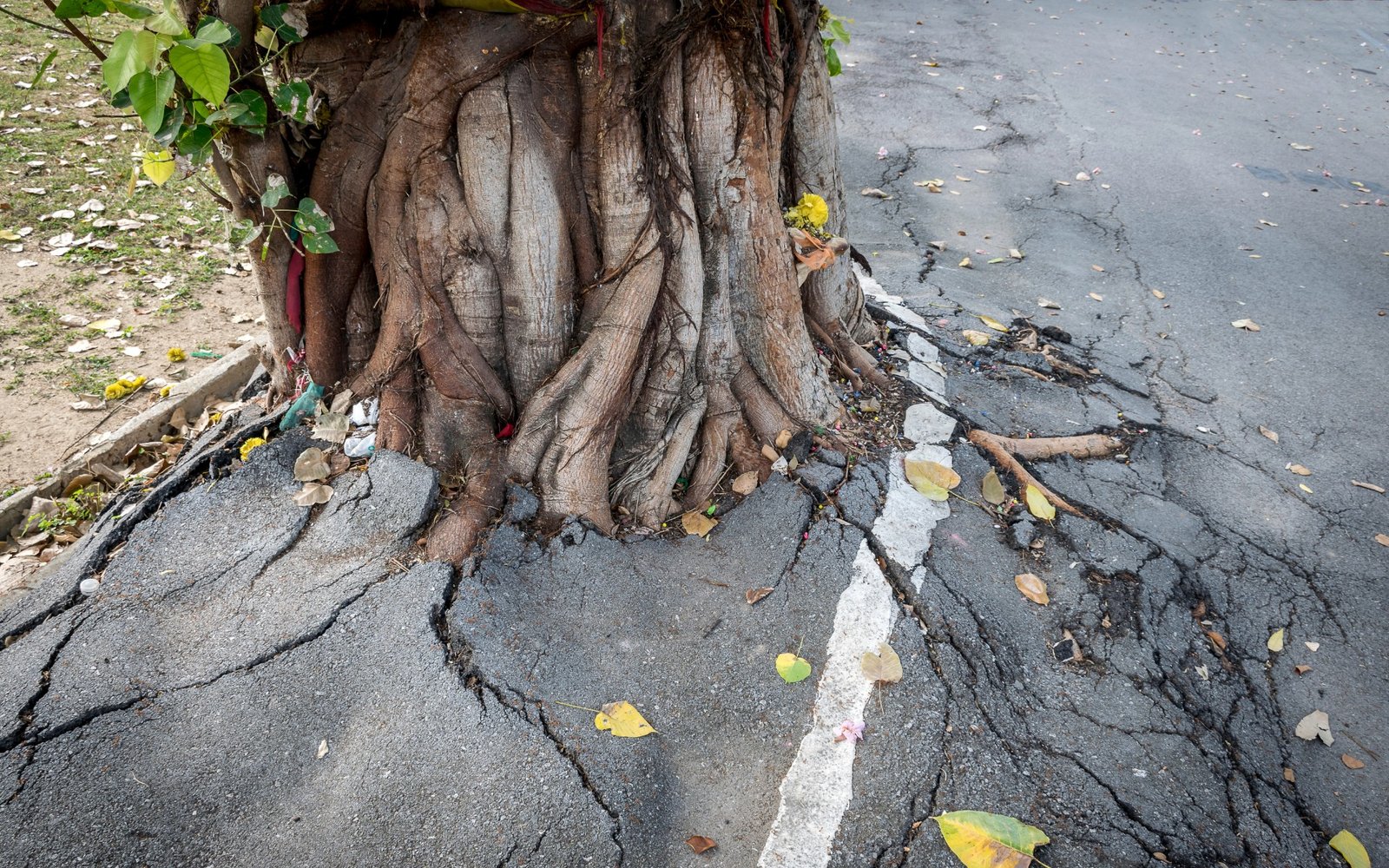
1. Cracked Sidewalks and Driveways
One of the first signs of root problems is cracked or uneven pavement. As roots grow larger, they lift concrete slabs and asphalt, creating trip hazards and reducing your property’s curb appeal.
If the damage continues to spread each year, the tree should be inspected by a professional.
2. Foundation Cracks
Although tree roots rarely break through solid foundations, they can worsen existing cracks by changing soil moisture levels around your home. Large roots growing too close to a building may contribute to shifting soil, especially during periods of heavy rain or drought.
Watch for:
- New foundation cracks
- Uneven floors
- Doors or windows that suddenly stick
- Gaps forming around exterior walls
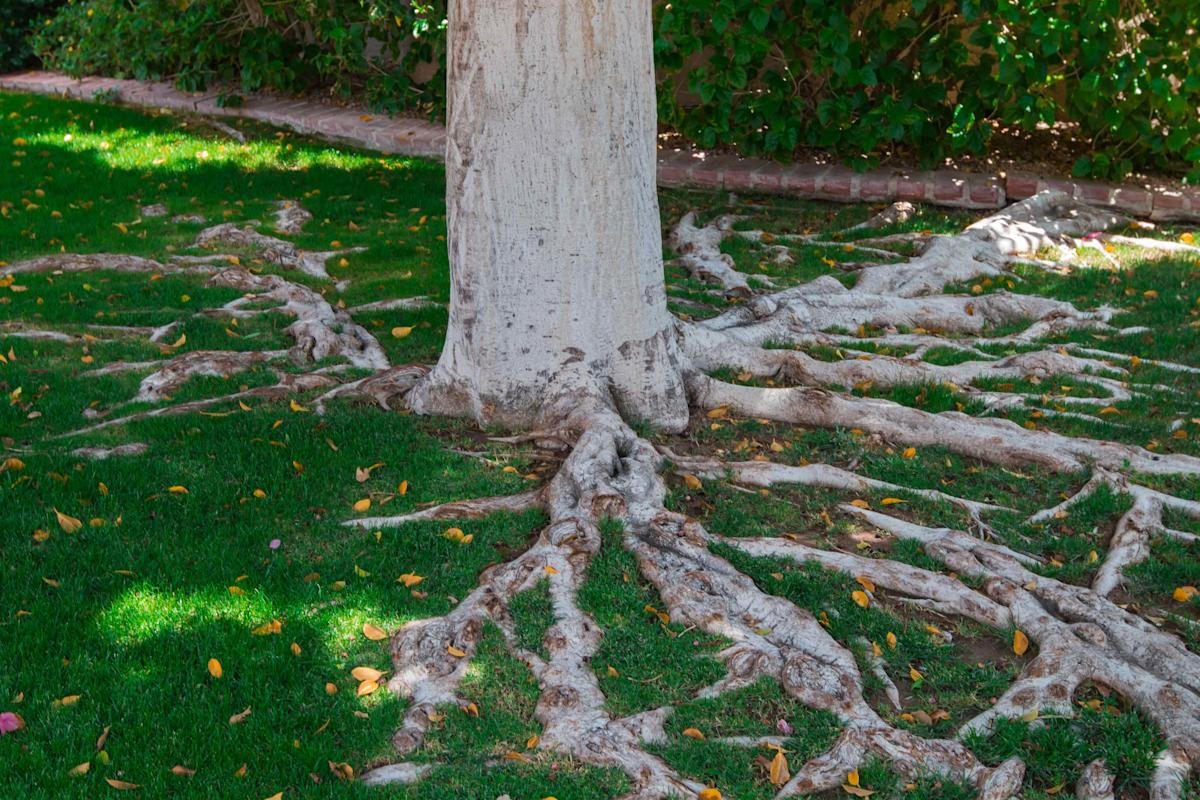
3. Slow or Blocked Sewer Lines
Roots naturally seek moisture, making underground sewer pipes an attractive source of water. Small cracks in aging pipes allow roots to enter, eventually causing slow drains, backups, and expensive plumbing repairs.
If multiple drains become sluggish without an obvious cause, tree roots may be responsible.
4. A Tree That Begins Leaning
Healthy roots keep a tree stable. When roots are damaged by construction, excavation, or soil erosion, the tree may begin leaning unexpectedly.
A newly leaning tree should never be ignored because it may indicate a weakened root system that increases the risk of failure during strong winds or storms.
5. Dead Branches and Poor Growth
Root damage affects the entire tree. If the roots cannot absorb enough water and nutrients, the canopy may begin showing signs of stress.
Common symptoms include:
- Dead branches
- Small or yellow leaves
- Thin canopy
- Early leaf drop
- Slow seasonal growth
These signs often appear months after root damage has occurred.
6. Raised Soil Around the Tree
Roots pushing close to the surface can cause the ground to bulge or crack around the base of the tree. Raised soil may also indicate that the root plate is shifting, particularly after severe storms or prolonged rainfall.
A professional assessment can determine whether the tree remains structurally sound or requires corrective action.
Can Root Problems Be Fixed?
Not every root issue requires tree removal. In many cases, strategic pruning, soil improvement, or root management techniques can reduce the risk while preserving the tree. However, if the root system has become unstable or is causing significant property damage, removal may be the safest option.
Experienced tree professionals evaluate the tree’s health, location, and structural condition before recommending the most appropriate solution. Owens Trees has been serving homeowners throughout the Bronx and Manhattan for decades with tree assessments, pruning, stump removal, emergency services, and safe tree removal when necessary.
Conclusion
Tree root problems often develop quietly beneath the surface, making early detection essential. Cracked sidewalks, foundation issues, slow drains, leaning trees, poor canopy growth, and raised soil are all warning signs that should not be ignored. Scheduling regular tree inspections can help protect your home, preserve healthy trees, and prevent costly repairs before minor issues become major problems.